
We can think of a house as a living thing: it ages, deteriorates, and requires maintenance. Some of its components can last decades, while others have a far shorter lifespan.
Knowing how to identify signs of wear and tear will help you avoid costly repairs and preserve your property’s value.
The Plumbing: Leaks and Irregular Pressure
Hidden behind doors and walls, the house’s plumbing is typically out of sight and out of mind. Which means that pipes can corrode or crack without us even realizing it.
Signs that the system should be replaced include:
- a drop in water pressure
- rust-coloured or discoloured water
- repeated leaks
- noisy pipes
When this happens, it’s time to call the plumber!
The Windows: Drafts and Condensation
The windows play a crucial role in ensuring the home’s comfort and energy efficiency. However, as they age, they can become a significant source of heat loss in winter.
Here are a few things to look out for:
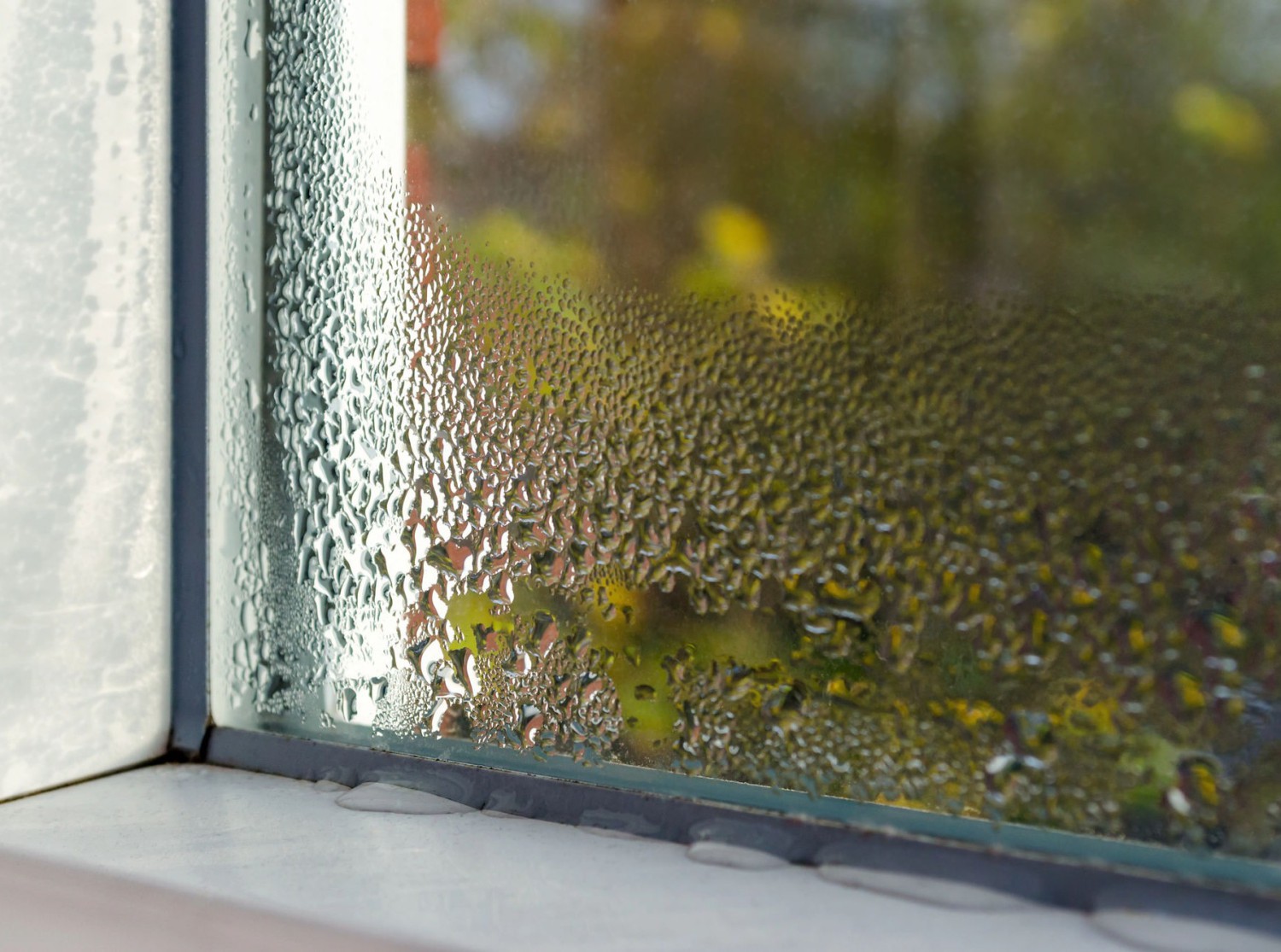
- condensation between the panes
- difficulty opening or closing the windows
- drafts around the frames
- more noticeable outdoor noises
The good news is that replacing your windows could save you money on your heating and air-conditioning bills over time.
The Roof: Water Infiltration and Damaged Shingles
The average lifespan of an asphalt shingle roof is between 15 and 25 years, depending on the quality of the materials and the weather conditions.
Indications that the roof needs replacing include lifting or loose shingles, a build-up of granules (the stone particles coating the shingles) in the gutters, evidence of moisture, stains on the ceiling, or noticeable warping of the roof.
Even a small leak can significantly damage the structure, insulation, and interior walls. That’s why it’s important to act quickly at the first signs of a problem.
From the Attic Down: Ceilings and Walls
Walls and ceilings can reveal a number of hidden issues. Large cracks, blistering paint, or yellowish stains may indicate humidity or structural problems.
It’s especially important to watch for cracks that expand over time, recurring water stains, persistent mouldy odours, or flaking plaster or paint.
These signs shouldn’t be ignored, as they may point to a leak or inadequate insulation.
The Heating System: Diminishing Efficiency
An ageing heating system can lead to both increased costs and potential safety hazards. A furnace or heat pump generally has a lifespan of 10 to 20 years, occasionally up to 30 years.
When is it time to replace the system?
- Your heating or power bills keep going up.
- The temperature varies widely from room to room.
- The furnace or heat pump makes strange noises while it’s functioning.
- The system requires frequent repairs.
The Flooring: Visible Wear and Tear
Floors are subjected to heavy daily use. Even high-quality materials eventually wear out. For instance, the boards may start to creak or warp, the surface may develop permanent stains, the colour or lustre may fade, or sections may become uneven or sag.
Cosmetic defects aren’t a major concern (discolouration or stains). Nevertheless, a damaged floor can affect a property’s resale value, particularly if it suggests a lack of maintenance.
Your Household Appliances: Consumption and Performance
Household appliances don’t last forever. After 8 to 15 years, a refrigerator, stove, or dishwasher may begin to operate less efficiently.
How can you tell that an appliance is reaching the end of its life?
- It consumes a lot of energy.
- It breaks down regularly.
- It has to run longer.
- It performs poorly overall.
The good news is that newer models are generally much more energy-efficient, which can offset their upfront cost.
Replacing certain of your home’s components can initially feel expensive, and yet it’s often a necessary investment to prevent more severe problems in the future. A regular inspection will help you detect early signs of deterioration before they escalate into a serious issue.